Fun Chinese Calligraphy at Home: The Ultimate Starter Kit Guide for Primary School Students
November 19, 2025
Mastering Ratio Word Problems: 12 Comprehensive Worked Examples for Primary 5 Students
November 21, 2025

Table Of Contents
- Understanding the PSLE Chinese Challenge
- The Self-Study Approach: Benefits and Limitations
- The Tuition Centre Advantage for PSLE Chinese
- Finding Balance: When to Choose Each Path
- The Seashell Method: Combining the Best of Both Worlds
- Real Student Journeys: Success Stories and Lessons Learned
- Making the Right Choice for Your Child
The PSLE Chinese examination stands as one of the most significant academic challenges in a Singaporean child’s primary school journey. As parents, the question inevitably arises: should my child prepare through self-study at home, or would they benefit more from professional guidance at a tuition centre?
This decision isn’t merely academic—it shapes not only your child’s examination results but also their relationship with Chinese language learning for years to come. With mounting pressure on primary school students to excel in all subjects, choosing the right approach for PSLE Chinese preparation becomes crucial for both academic success and emotional well-being.
In this comprehensive guide, we’ll explore both paths to PSLE Chinese mastery, examining the benefits and limitations of self-study versus structured tuition. Drawing on years of educational expertise and student success stories, we’ll help you determine which approach—or combination of approaches—might best suit your child’s unique learning style, personality, and needs. We’ll also introduce how Seashell Academy by Suntown Education Centre approaches this balance through our unique Seashell Method, designed to nurture both academic excellence and a genuine love for the Chinese language.
PSLE Chinese Success: Tuition Centre vs Self-Study
Which approach best suits your child’s learning journey?
Self-Study Approach
Flexibility: Learn at your own pace and schedule
Independence: Develops self-discipline and accountability
Family Bonding: Creates shared learning experiences
Challenges:
- Requires high self-motivation
- Limited expert guidance on exam techniques
- Potential for developing incorrect habits
Tuition Centre Approach
Expert Guidance: Professional feedback and specialized techniques
Structured Learning: Systematic coverage of all exam components
Peer Interaction: Collaborative environment enhances motivation
Key Benefits:
- Current PSLE format expertise
- Specialized learning resources
- Structured accountability and progress tracking
The Seashell Method: Balancing Both Approaches
Personalized Learning
Individualized assessment and tailored instruction in small classes (6-8 students)
Home-School Bridge
Structured home practice components that extend classroom learning
Emotional Support
Nurturing confidence and positive associations with Chinese language learning
Who Benefits Most From Each Approach?
Self-Study Works Best For:
- Students with strong foundation in Chinese
- Families with Mandarin-speaking parents
- Self-motivated learners with good time management
Tuition Benefits Most:
- Students from English-speaking homes
- Children facing specific learning challenges
- Students preparing for PSLE (P5-P6)
Key Takeaways for Parents
Early Intervention
Starting structured learning in P4 or P5 produces better outcomes than last-minute preparation
Combined Approach
The most successful students blend structured tuition with consistent home practice
Emotional Wellbeing
Students with positive associations with Chinese consistently outperform peers with similar aptitude
Sustainable Pace
Consistent, moderate practice produces better results than sporadic cramming sessions
The ideal approach combines structure with independence, expertise with emotional support.
Understanding the PSLE Chinese Challenge
Before deciding between self-study and tuition, it’s essential to understand what makes PSLE Chinese particularly challenging for many students. Unlike subjects that focus primarily on memorization or formula application, Chinese language mastery requires integration of multiple skills:
The PSLE Chinese examination tests students across four key components: Paper 1 (作文 and 口试 – composition and oral), Paper 2 (语文应用 and 阅读理解 – language application and reading comprehension). These components demand proficiency in listening, speaking, reading, and writing—skills that build upon each other and require consistent practice over time.
Many students struggle with Chinese due to limited exposure to the language at home, with English often being the dominant household language in Singapore. This creates a fundamental challenge: students need to develop linguistic intuition and cultural context that naturally bilingual peers might absorb effortlessly at home.
Additionally, the PSLE Chinese examination has evolved over the years, increasingly emphasizing practical application of language rather than rote memorization. Students must demonstrate not just vocabulary knowledge but also the ability to apply language skills in authentic contexts—a sophisticated challenge that requires guided development.
The Self-Study Approach: Benefits and Limitations
Self-study offers several compelling advantages for PSLE Chinese preparation, particularly for self-motivated learners. When structured effectively, studying independently allows students to progress at their own pace, spend more time on challenging areas, and develop valuable self-discipline. These habits extend beyond primary school, preparing students for the increased autonomy of secondary education.
For families with Mandarin-speaking parents who can provide consistent guidance and correction, self-study with parental support can be highly effective. This approach creates opportunities for meaningful language practice in authentic contexts, reinforcing classroom learning through real-life application.
Benefits of Self-Study for PSLE Chinese
Self-study cultivates independence and personal responsibility for learning—qualities that serve students well beyond examinations. Students who develop effective self-study habits often demonstrate stronger time management skills and greater academic resilience when facing challenges.
The flexibility of self-study allows for personalized learning schedules that accommodate other activities and family commitments. This customization can reduce stress and create a more balanced approach to PSLE preparation, particularly important in the high-pressure primary school environment.
When parents actively participate in self-study, it can strengthen family bonds through shared learning experiences. Collaborative practice of Chinese at home creates meaningful connections to cultural heritage and demonstrates the language’s relevance beyond academic requirements.
Limitations and Challenges
Despite its benefits, self-study presents significant challenges for PSLE Chinese preparation. Without expert guidance, students may develop incorrect pronunciation or grammar habits that become difficult to correct later. The subtleties of tones, character writing, and grammatical structures often require professional instruction to master properly.
Many parents, even those fluent in conversational Chinese, may lack familiarity with current PSLE examination formats and requirements. This knowledge gap can result in well-intentioned but ineffective study strategies that don’t align with examination expectations.
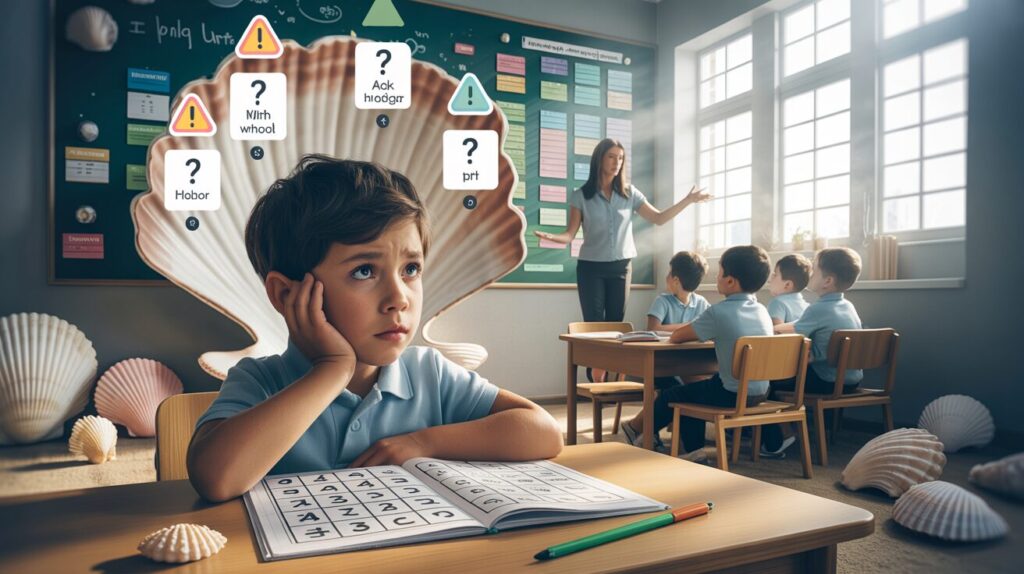
Perhaps most importantly, self-study requires exceptional self-discipline and motivation—qualities still developing in primary school students. Without external structure and accountability, many children struggle to maintain consistent practice, particularly in challenging subjects like Chinese.
The isolation of self-study can also limit exposure to diverse language usage and peer learning opportunities. Language acquisition thrives in interactive environments where students can practice with peers of varying proficiency levels, something difficult to replicate at home.
The Tuition Centre Advantage for PSLE Chinese
Professional Chinese tuition centres offer structured learning environments specifically designed to address the challenges of PSLE Chinese preparation. At Seashell Academy by Suntown Education Centre, our approach focuses on creating comprehensive learning experiences that develop both technical language skills and genuine appreciation for Chinese culture and communication.
Expert Guidance and Pedagogical Structure
Qualified Chinese language teachers bring specialized knowledge of both language pedagogy and examination requirements. Their expertise allows for precise identification of individual learning gaps and personalized intervention strategies that target specific areas of weakness.
Professional educators at established tuition centres like Seashell Academy stay current with MOE curriculum changes and examination trends, ensuring that students receive the most relevant and effective preparation. This insider knowledge helps streamline preparation and focus on high-value content most likely to appear in examinations.
The structured curriculum progression at quality tuition centres ensures comprehensive coverage of all required components, eliminating the risk of overlooking crucial examination elements. This systematic approach builds skills sequentially, creating a solid foundation for advanced language application.
Interactive Learning Environment
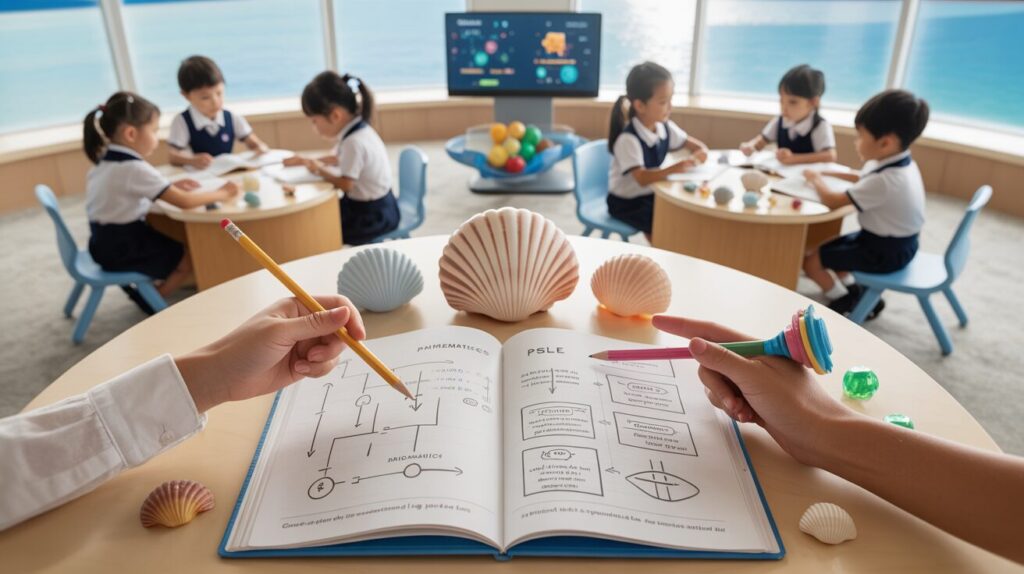
One of the most significant advantages of tuition centres is the opportunity for meaningful peer interaction and collaborative learning. At Seashell Academy, we intentionally create small group settings where students can practice conversation, receive immediate feedback, and learn from peers’ questions and insights.
This interactive approach creates authentic communication contexts that develop practical language skills beyond examination preparation. Students gain confidence speaking Chinese with different conversation partners, preparing them for real-world language application.
The competitive yet supportive classroom environment often motivates students more effectively than solitary study. Seeing peers succeed creates positive pressure and inspires greater effort, while the shared learning journey builds camaraderie and emotional support.
Specialized Resources and Techniques
Quality tuition centres invest in specialized learning materials and examination resources not typically available to individual families. These might include proprietary worksheets targeting specific examination components, curated reading materials matched to different proficiency levels, and mock examination papers with professional evaluation.
At Seashell Academy, our P4 Chinese Programme, P5 Chinese Programme, and P6 Chinese Programme incorporate innovative teaching techniques that make Chinese language learning engaging and accessible. These include visual mind-mapping for vocabulary acquisition, gamified character recognition activities, and multimedia resources that bring language to life.
Professional feedback mechanisms provide students with specific, actionable guidance for improvement. This targeted feedback accelerates progress by identifying precise areas for refinement rather than general study advice, allowing students to focus their efforts efficiently.
Finding Balance: When to Choose Each Path
The decision between self-study and tuition isn’t necessarily binary—many successful students leverage both approaches in complementary ways. Understanding your child’s specific needs and circumstances can help determine the optimal balance.
When Self-Study Works Best
Self-study tends to be most effective for students who already demonstrate strong foundational skills in Chinese and high levels of self-motivation. These students often have natural language aptitude or significant home exposure to Mandarin, providing them with intuitive understanding of language patterns.
Families with parents fluent in Chinese who can provide consistent, knowledgeable guidance may find self-study sufficient, especially when supplemented with quality resources. In these cases, parents effectively serve as home tutors, providing immediate feedback and correction.
Students who thrive in independent learning environments and demonstrate strong time management skills may excel with structured self-study programs. These self-directed learners often benefit from the freedom to adjust their study pace and focus according to their needs.
When Tuition Becomes Essential
Professional tuition becomes particularly valuable when students face significant challenges with Chinese language acquisition or when performance plateaus despite diligent effort. These learning barriers often require specialized pedagogical approaches that parents may not be equipped to provide.
Students from predominantly English-speaking homes typically benefit substantially from the immersive language environment of quality tuition centres. The structured exposure to Chinese in these settings compensates for limited language practice opportunities at home.
As PSLE approaches, even capable students often benefit from professional guidance to refine examination techniques and address specific weaknesses. The targeted preparation provided by experienced educators can make the critical difference in examination outcomes during this crucial period.
Families experiencing high academic stress or tension around homework may find that outsourcing Chinese instruction to professional educators reduces household conflict and improves learning outcomes. This separation of roles allows parents to focus on encouragement rather than enforcement.
The Seashell Method: Combining the Best of Both Worlds
At Seashell Academy by Suntown Education Centre, we’ve developed the Seashell Method—a unique pedagogical approach that integrates the strengths of both structured tuition and independent learning. This methodology is designed to nurture students holistically, like pearls forming within a protective seashell, developing both academic excellence and emotional resilience.
Structured Learning with Personalized Support
Our approach begins with comprehensive diagnostic assessment to identify each student’s unique strengths, challenges, and learning preferences. This personalized profile guides the development of individualized learning plans that address specific needs while maintaining alignment with PSLE requirements.
Within our small class settings (typically 6-8 students), experienced MOE-trained educators provide targeted instruction that balances group learning with individual attention. This optimal class size creates rich peer learning opportunities while ensuring each student receives personalized guidance.
The Seashell Method incorporates strategic scaffolding—providing robust support initially, then gradually transferring responsibility to students as competence grows. This progressive independence prepares students for examination conditions while building confidence in their abilities.
Bridging Classroom and Home Learning
Unlike traditional tuition approaches that operate in isolation from home learning, the Seashell Method actively bridges these environments. Our structured home practice components extend classroom learning through carefully designed independent activities that reinforce key concepts without overwhelming students.
Parents receive regular guidance on supporting Chinese language development at home, including practical strategies for incorporating language practice into daily activities. These accessible approaches transform everyday interactions into valuable learning opportunities that complement formal instruction.
Our digital learning resources provide additional support between sessions, allowing students to practice independently while receiving automated feedback. These resources adapt to individual performance, creating personalized review opportunities that target specific areas for improvement.
Beyond Academic Performance
What truly distinguishes the Seashell Method is our commitment to nurturing the whole child, not just examination performance. Our approach intentionally cultivates a positive relationship with Chinese language learning through engaging, culturally rich experiences that highlight the real-world relevance and beauty of the language.
We integrate emotional wellbeing support throughout our programs, recognizing that academic success depends on psychological factors like confidence, resilience, and positive learning associations. Our educators are trained to identify and address anxiety, frustration, and motivation challenges that often accompany language learning.
The Seashell Academy philosophy emphasizes sustainable growth rather than short-term performance, developing learning habits and language appreciation that extend far beyond PSLE. This long-view approach produces not just strong examination results but genuine bilingual capability that serves students throughout their educational journey.
Real Student Journeys: Success Stories and Lessons Learned
The most compelling evidence for effective PSLE Chinese preparation comes from the experiences of real students who have navigated this challenging journey. At Seashell Academy, we’ve witnessed remarkable transformations that illustrate the impact of finding the right approach for each child’s unique needs.
From Struggle to Strength
Consider Min Hui, who joined our P5 Chinese Programme after years of frustration and declining grades despite diligent self-study. With limited Chinese spoken at home, she struggled to develop the linguistic intuition needed for composition and comprehension. Through our structured small-group environment, Min Hui found both the expert guidance and peer support she needed. The turning point came when our mind-mapping approach to vocabulary acquisition helped her connect previously isolated words into meaningful concept clusters. This systematic approach transformed her composition writing from basic sentences to cohesive paragraphs with rich vocabulary. By PSLE, Min Hui had progressed from barely passing to securing an A grade—a testament to finding the right learning environment at a critical time.
Balancing Independence and Support
Then there’s Jayden, a naturally capable student whose performance fluctuated widely depending on his interest level. Self-study worked well for topics that engaged him but left significant gaps in less appealing areas. His parents enrolled him in our P6 Chinese Programme just nine months before PSLE, seeking more consistent preparation. Our educators identified his pattern of selective engagement and created personalized challenges that transformed even routine topics into interesting puzzles. This approach, combined with the positive peer pressure of our small classes, helped Jayden develop more consistent study habits without diminishing his natural creativity. His PSLE results reflected this balance: an A* that demonstrated both technical proficiency and genuine language fluency.
Key Lessons from Student Journeys
These and other student experiences reveal important patterns about effective PSLE Chinese preparation. Early intervention consistently produces better outcomes than last-minute intensive preparation. Students who begin structured learning in P4 or P5 typically develop stronger foundational skills and experience less examination anxiety than those who seek help only in P6.
The most successful students invariably combine structured learning with consistent independent practice. The rhythm of weekly tuition sessions complemented by daily home practice creates the optimal learning pattern for language acquisition and retention.
Perhaps most importantly, emotional factors significantly impact academic outcomes in Chinese language learning. Students who develop positive associations with the language and confidence in their abilities consistently outperform those with similar aptitude but negative learning experiences—regardless of which preparation approach they choose.
Making the Right Choice for Your Child
As you consider whether self-study or tuition centre preparation better suits your child’s PSLE Chinese journey, several key considerations can guide your decision.
Assessing Your Child’s Current Position
Begin by honestly evaluating your child’s current Chinese language proficiency relative to PSLE expectations. Review recent school assessments, teacher feedback, and your own observations of their strengths and challenges. This baseline understanding helps determine the type and intensity of support needed.
Consider your child’s learning style and temperament. Do they thrive in interactive environments or prefer independent study? Are they naturally self-motivated or benefit from external structure? These inherent tendencies often indicate which approach will prove most effective.
Realistically assess your family’s capacity to support Chinese language learning at home. Consider not just language proficiency but also time availability, patience for academic support, and household stress levels. The most effective approach aligns with your family’s practical realities.
Creating a Sustainable Preparation Plan
Whatever path you choose, prioritize sustainability over intensity. Consistent, moderate practice over time produces better language acquisition than sporadic cramming sessions, regardless of whether that practice occurs at home or in a tuition centre.
Consider a phased approach that evolves with your child’s development. Many successful students begin with foundational self-study in lower primary, transition to structured tuition in P4 or P5 for skill development, then combine approaches in P6 for comprehensive examination preparation.
Remember that emotional wellbeing and academic performance are inherently connected, particularly in challenging subjects like Chinese. The most effective preparation approach is one that maintains your child’s confidence, curiosity, and engagement with the language throughout their primary school journey.
At Seashell Academy by Suntown Education Centre, we recognize that every child’s path to PSLE Chinese success looks different. Some students thrive with minimal outside support, while others blossom in structured learning environments. Our unique Seashell Method is designed to complement and enhance your child’s natural learning style while addressing their specific challenges.
Conclusion: Beyond the Binary Choice
The question of tuition centre versus self-study for PSLE Chinese preparation ultimately transcends a simple binary choice. The most effective approach typically combines elements of both structured guidance and independent practice, tailored to your child’s unique needs, learning style, and family circumstances.
What matters most is not which path you choose but that your chosen approach develops both competence and confidence—technical language skills alongside genuine appreciation and comfort with Chinese language and culture. This holistic development creates not just PSLE success but lifelong bilingual capability that will serve your child far beyond primary school.
At Seashell Academy by Suntown Education Centre, we’ve witnessed countless students transform their relationship with Chinese language learning through our balanced approach. Our unique Seashell Method nurtures students like precious pearls forming within a protective shell, providing the structure, guidance, and emotional support they need to develop at their own pace while meeting rigorous academic standards.
Whether your child requires comprehensive support through our structured programs or targeted intervention to complement their self-study efforts, we’re committed to partnering with families to create the optimal learning journey for each unique student. The right preparation approach is the one that transforms Chinese from a challenging examination subject into a valuable skill your child carries with confidence into their future.
Discover How Seashell Academy Can Support Your Child’s PSLE Chinese Journey
Every child deserves to approach PSLE Chinese with confidence and competence. Our experienced educators are ready to assess your child’s specific needs and develop a personalized preparation plan that balances academic excellence with emotional wellbeing.
Book a consultation today to learn more about our P4, P5, and P6 Chinese Programmes and how the unique Seashell Method can transform your child’s relationship with Chinese language learning.