Why September Holidays Are the Perfect Time to Catch Up Before Year-End Exams
September 8, 2025
Complete Guide to Chinese Tuition for Primary School Students in Singapore
October 7, 2025
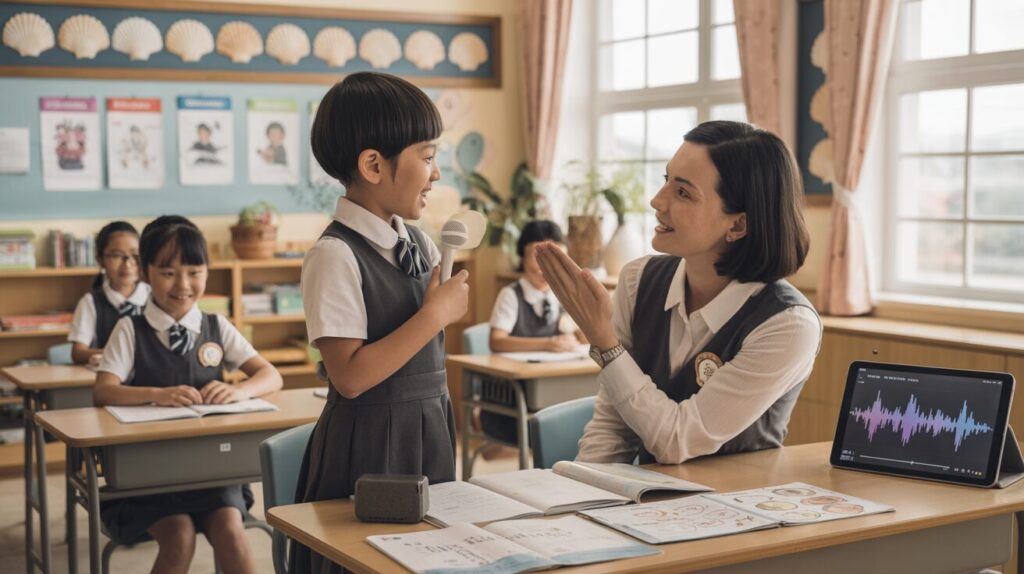
Table Of Contents
- Understanding PSLE Chinese Oral Examination
- Structure of PSLE Chinese Oral Examination
- Common Challenges Students Face in Chinese Oral
- Effective Preparation Strategies
- 10 Mock Scenarios With Audio
- Scenario 1: At the School Canteen (学校食堂)
- Scenario 2: Public Library (公共图书馆)
- Scenario 3: Family Celebration (家庭庆祝)
- Scenario 4: Using Technology (使用科技)
- Scenario 5: Sports Day (运动会)
- Scenario 6: Environmental Protection (环保活动)
- Scenario 7: Helping Others (助人为乐)
- Scenario 8: Weekend Activities (周末活动)
- Scenario 9: School Project (学校项目)
- Scenario 10: Future Aspirations (未来志向)
- Understanding the Scoring Rubric
- What to Do the Day Before the Examination
- Conclusion
The PSLE Chinese Oral examination represents a significant milestone in your child’s primary education journey. For many students, it’s also one of the most anxiety-inducing components of the PSLE Chinese paper. The requirement to speak confidently in Mandarin while processing visual cues and responding to questions can create tremendous pressure for young learners.
At Seashell Academy by Suntown Education Centre, we understand these challenges intimately. Through years of nurturing students to achieve PSLE success, we’ve observed that preparation, practice, and confidence-building are the three pillars that support excellence in Chinese Oral examinations.
This comprehensive guide provides 10 authentic PSLE Chinese Oral mock scenarios complete with audio resources, expert strategies, and practical tips to help your child navigate this important examination with confidence. Whether your child is struggling with pronunciation, vocabulary recall, or simply managing exam anxiety, our structured approach will address these concerns and transform apprehension into assurance.
Understanding PSLE Chinese Oral Examination
The PSLE Chinese Oral examination evaluates a student’s ability to communicate effectively in Mandarin Chinese. It assesses pronunciation, intonation, vocabulary usage, sentence structure, and the ability to express ideas coherently. More than a test of language mechanics, it’s an evaluation of a student’s capacity to engage in meaningful conversation using the Chinese language.
Success in the oral examination contributes significantly to a student’s overall PSLE Chinese grade. A strong performance not only boosts their total score but also builds confidence for the written components. At Seashell Academy by Suntown Education Centre, we emphasize that oral proficiency forms the foundation of comprehensive Chinese language mastery.
Structure of PSLE Chinese Oral Examination
The PSLE Chinese Oral examination consists of two main sections:
1. Reading Passage (朗读)
Students are required to read a short passage aloud. This component tests:
- Pronunciation accuracy (发音准确)
- Reading fluency (流利度)
- Appropriate intonation (语调)
- Expression and rhythm (表达和节奏)
Students have 5 minutes to prepare before reading the passage to the examiners. The passages typically contain around 100-150 characters and cover everyday topics relevant to primary school students.
2. Stimulus-based Conversation (会话)
This section involves a conversation with the examiners based on a visual stimulus (usually a picture). It evaluates:
- Ability to describe what’s happening in the picture
- Capacity to answer follow-up questions
- Vocabulary range
- Grammar usage
- Conversational fluency
- Critical thinking skills
Students have approximately 10 minutes to engage in this conversation. The examiners typically begin by asking the student to describe what they see in the picture, followed by questions that may relate to the student’s personal experiences, opinions, or hypothetical scenarios connected to the visual stimulus.
Common Challenges Students Face in Chinese Oral
Through our experience at Seashell Academy by Suntown Education Centre, we’ve identified several common challenges that students encounter during the PSLE Chinese Oral examination:
Pronunciation Difficulties
Many students struggle with distinguishing and producing sounds that don’t exist in English, particularly the four tones in Mandarin. Mispronunciation can significantly impact comprehension and scoring.
Limited Vocabulary
Students often find themselves unable to express ideas fully due to vocabulary limitations. This can lead to repetitive language use or incomplete responses during the conversation component.
Anxiety and Nervousness
Performance anxiety is perhaps the most common challenge. Many students who perform well in practice sessions freeze up during the actual examination, affecting their overall delivery.
Lack of Authentic Practice
Without regular exposure to authentic conversational scenarios, students may develop robotic or memorized responses that lack naturalness and flexibility.
Difficulty with Spontaneous Responses
The ability to think quickly and respond appropriately in Chinese is challenging for many students, especially when faced with unexpected questions from examiners.
Effective Preparation Strategies
At Seashell Academy by Suntown Education Centre, we employ our unique Seashell Method to help students overcome these challenges through a combination of structured learning and emotional support:
Regular Immersion
Consistent exposure to Chinese language through daily reading, listening to Chinese audio content, and conversational practice creates a foundation for natural language acquisition. We encourage students to engage with age-appropriate Chinese media for at least 15-20 minutes daily.
Structured Vocabulary Building
Our mind-mapping approach helps students organize vocabulary by themes and topics, making recall easier during the examination. Rather than memorizing isolated words, we connect vocabulary to contexts and visual cues.
Pronunciation Drills
Focused practice on challenging sounds and tones through repetition exercises and audio comparisons helps students develop better pronunciation awareness. We incorporate tongue twisters and rhythmic chants to make this practice engaging.
Mock Examinations
Regular simulation of examination conditions builds familiarity and reduces anxiety. Our students participate in recorded practice sessions that mimic the actual PSLE format, followed by constructive feedback.
Confidence-Building Exercises
Beyond language skills, we focus on developing students’ confidence through public speaking opportunities, positive reinforcement, and celebration of incremental improvements. Our gamified interactive lessons make this process enjoyable rather than stressful.
10 Mock Scenarios With Audio
The following mock scenarios have been carefully crafted by our experienced MOE-trained educators at Seashell Academy by Suntown Education Centre to reflect the types of situations students might encounter in their PSLE Chinese Oral examination. Each scenario includes:
- A visual stimulus description
- Reading passage
- Potential examiner questions
- Suggested response strategies
- Audio recording for pronunciation practice
Practice these scenarios regularly in the months leading up to the examination to develop both language skills and confidence.
Scenario 1: At the School Canteen (学校食堂)
Visual Stimulus: A busy school canteen with students queuing up to buy food, some students sitting and eating together, and a student helping to clean up a spill.
Reading Passage:
今天中午,我和同学们一起去学校食堂吃午餐。食堂里人很多,大家都在排队买食物。我看到有些同学在帮助打扫卫生,保持食堂的整洁。午餐时间是我们交流和放松的好时机。我们应该遵守秩序,爱护公共环境。
Potential Questions:
- 请描述一下图片里你看到了什么?
- 你觉得在食堂里应该遵守哪些规则?为什么?
- 你喜欢在食堂吃饭吗?为什么?
- 如果你看到有同学在食堂制造混乱,你会怎么做?
Response Strategy: Begin by describing the scene comprehensively (people, actions, environment). When answering value-based questions about rules, emphasize consideration for others. For personal preference questions, provide specific reasons with examples. For hypothetical questions, demonstrate problem-solving thinking.
Audio Resource:[Download Audio for Scenario 1]
Scenario 2: Public Library (公共图书馆)
Visual Stimulus: A public library with various sections, showing people of different ages reading books, using computers, and a librarian helping a young student find a book.
Reading Passage:
图书馆是一个安静学习的好地方。这里有各种各样的书籍,知识的海洋等着我们去探索。在图书馆里,我们可以看书,做作业,或者使用电脑查询资料。图书管理员总是很热心地帮助读者找到他们需要的书。我们应该保持安静,尊重他人的阅读空间。
Potential Questions:
- 请描述一下图片中的场景。
- 你常去图书馆吗?你通常在那里做什么?
- 你认为图书馆对社区有什么重要性?
- 在数字时代,你觉得实体图书馆还重要吗?为什么?
Response Strategy: Describe the library environment with attention to different activities happening. Share personal experiences with specific details about frequency of visits and activities. For questions about importance, consider both individual and community perspectives.
Audio Resource:[Download Audio for Scenario 2]
Scenario 3: Family Celebration (家庭庆祝)
Visual Stimulus: A family gathered for a celebration, possibly Chinese New Year or a birthday, with traditional food on the table, decorations, and family members of different generations interacting.
Reading Passage:
家庭聚会是我们中华文化中非常重要的传统。每逢节日或特殊场合,全家人都会聚在一起,享用美食,互相交流。长辈们会给小孩子们压岁钱或礼物,小孩子们也会向长辈们表达祝福。这些庆祝活动不仅让我们感受到家庭的温暖,也帮助我们传承文化传统。
Potential Questions:
- 请描述一下这张图片里的场景。
- 在你的家庭中,你们是如何庆祝重要节日的?
- 你认为家庭聚会有什么意义?
- 现代生活节奏快,很多家庭难以经常聚会,你有什么建议来维持家庭联系?
Response Strategy: Describe both the visible elements and the emotions conveyed in the image. Share specific traditions from your own family experiences with details about food, activities, or customs. Connect family gatherings to cultural values and emotional well-being.
Audio Resource:[Download Audio for Scenario 3]
Scenario 4: Using Technology (使用科技)
Visual Stimulus: Students using various technological devices for learning – some using tablets, others on computers, and a teacher guiding them with an interactive whiteboard.
Reading Passage:
科技已经成为我们学习生活中不可或缺的一部分。在学校里,我们使用电脑和平板电脑来查找资料、完成作业和进行小组讨论。科技工具帮助我们更有效率地学习,但也需要我们正确使用。我们应该合理安排使用电子设备的时间,避免沉迷网络,保护我们的眼睛健康。
Potential Questions:
- 请描述一下图片中的场景。
- 你在学习中如何使用科技?举一个例子。
- 你认为科技对学习有哪些好处和坏处?
- 如果一个同学沉迷于手机游戏而影响学习,你会给他什么建议?
Response Strategy: Describe how technology is being used in the image with specific details. Share personal examples of using technology for learning with concrete benefits. Present a balanced view of technology’s advantages and disadvantages. For advice questions, suggest practical solutions with reasoning.
Audio Resource:[Download Audio for Scenario 4]
Scenario 5: Sports Day (运动会)
Visual Stimulus: A school sports day with various activities – running races, relay teams, students cheering, and teachers organizing events.
Reading Passage:
学校运动会是每年最令人期待的活动之一。同学们积极参加各种比赛,如跑步、跳远和接力赛。场边的同学们热情地为参赛者加油助威。运动会不仅锻炼我们的身体,也培养我们的团队合作精神和拼搏精神。无论比赛结果如何,最重要的是我们享受运动的过程,学会尊重对手。
Potential Questions:
- 请描述一下图片中的场景。
- 你参加过运动会吗?能分享一下你的经历吗?
- 你认为参加体育活动有什么重要性?
- 如果有同学害怕在运动会上表现不好而不敢参加,你会给他什么建议?
Response Strategy: Describe the various activities and the atmosphere in the image. Share a specific personal experience from a sports day with details about your participation and feelings. Discuss the physical, social, and psychological benefits of sports participation.
Audio Resource:[Download Audio for Scenario 5]
Scenario 6: Environmental Protection (环保活动)
Visual Stimulus: Students engaged in an environmental protection activity, such as cleaning up a park, planting trees, or sorting recyclables.
Reading Passage:
保护环境是每个人的责任。我们学校组织了环保活动,同学们一起清理公园,种植树木,并学习如何正确分类垃圾。通过这些活动,我们不仅美化了环境,也提高了环保意识。每个人做出一点小小的努力,汇集起来就能产生巨大的影响。我们应该从日常生活中的小事做起,共同创造一个更绿色、更美丽的世界。
Potential Questions:
- 请描述一下图片中的场景。
- 你参加过环保活动吗?你做了什么?
- 在日常生活中,你如何践行环保理念?
- 你认为年轻人在环保方面可以发挥什么作用?
Response Strategy: Describe the environmental activity with attention to both actions and purpose. Share specific examples of personal involvement in environmental protection with details about impact. Discuss practical daily habits that contribute to sustainability.
Audio Resource:[Download Audio for Scenario 6]
Scenario 7: Helping Others (助人为乐)
Visual Stimulus: Students helping an elderly person carry groceries, or helping a new student find their way around school.
Reading Passage:
助人为乐是中华民族的传统美德。在我们的日常生活中,有许多机会可以帮助他人,例如帮助老人过马路,指导新同学熟悉学校环境,或者与同学分享学习资料。当我们帮助他人时,不仅为他们解决了困难,自己的心里也会感到非常满足和快乐。我们应该培养乐于助人的品质,让社会充满温暖和关爱。
Potential Questions:
- 请描述一下图片中的场景。
- 你曾经帮助过他人吗?能分享一个例子吗?
- 当你帮助别人时,你有什么感受?
- 在现代社会中,你认为人们为什么有时会不愿意帮助陌生人?
Response Strategy: Describe both the action of helping and the emotional response in the image. Share a meaningful personal experience of helping someone with details about the situation, your actions, and the outcome. Reflect on both the recipient’s benefit and your emotional response.
Audio Resource:[Download Audio for Scenario 7]
Scenario 8: Weekend Activities (周末活动)
Visual Stimulus: A park scene with families and children engaged in various weekend activities – cycling, picnicking, playing games, etc.
Reading Passage:
周末是放松和享受家庭时光的好机会。许多家庭选择去公园进行各种活动,如骑自行车、野餐、放风筝或者打球。这些活动不仅有助于身体健康,也增进了家人之间的感情。远离电子设备,亲近大自然,可以让我们的身心得到真正的放松。周末合理安排时间,既可以完成一些学习任务,又可以享受休闲活动,是非常重要的。
Potential Questions:
- 请描述一下图片中的场景。
- 你周末通常会做什么?为什么选择这些活动?
- 你认为周末对学生来说有什么意义?
- 你认为应该如何平衡周末的学习和娱乐?
Response Strategy: Describe the variety of activities and the atmosphere in the park scene. Share your typical weekend routine with specific examples of activities and their purpose. Discuss the importance of balance between academic and recreational activities.
Audio Resource:[Download Audio for Scenario 8]
Scenario 9: School Project (学校项目)
Visual Stimulus: Students working together on a group project in class, with some researching, others creating a poster, and a teacher providing guidance.
Reading Passage:
小组项目是一种很好的学习方式。通过合作完成任务,我们不仅学习了知识,也培养了团队合作精神。每个人都有自己的长处,有的同学擅长搜集资料,有的擅长创意设计,有的擅长口头表达。在项目过程中,我们学会了如何分配任务,如何解决意见分歧,如何相互支持。这些能力对我们的未来发展都非常重要。
Potential Questions:
- 请描述一下图片中的场景。
- 你参加过小组项目吗?你在其中扮演了什么角色?
- 你认为小组合作有哪些挑战?如何克服这些挑战?
- 你更喜欢独立完成任务还是与他人合作?为什么?
Response Strategy: Describe the collaboration and different roles visible in the image. Share a specific group project experience with details about your role and contribution. Discuss both benefits and challenges of teamwork with solutions for overcoming difficulties.
Audio Resource:[Download Audio for Scenario 9]
Scenario 10: Future Aspirations (未来志向)
Visual Stimulus: A career fair or exhibition with different profession displays and students exploring various career options.
Reading Passage:
思考未来是每个学生成长过程中的重要部分。我们的兴趣和才能可以引导我们选择适合的职业道路。有些人喜欢科学,梦想成为科学家;有些人喜欢艺术,希望从事创意工作;还有些人喜欢帮助他人,想成为医生或教师。无论选择什么职业,最重要的是热爱它,并愿意为之付出努力。我们现在学习的知识和培养的能力,都是为未来打下基础。
Potential Questions:
- 请描述一下图片中的场景。
- 你有什么未来的梦想或目标吗?为什么有这样的想法?
- 你认为实现梦想需要具备哪些品质?
- 你觉得年轻人在选择职业时应该考虑哪些因素?
Response Strategy: Describe the career exploration environment with details about different professions shown. Share your personal aspirations with specific reasons for your interest. Discuss the character traits and preparation needed to achieve goals.
Audio Resource:[Download Audio for Scenario 10]
Understanding the Scoring Rubric
At Seashell Academy by Suntown Education Centre, we help students understand how the PSLE Chinese Oral examination is evaluated. Examiners assess performance based on the following criteria:
Reading Component (朗读)
- Pronunciation (发音) – 30%: Accuracy in pronouncing words, including proper tones
- Fluency (流利度) – 30%: Smooth reading without excessive pauses or hesitations
- Expression (表达) – 40%: Appropriate intonation, rhythm, and emotional expression that demonstrates understanding
Conversation Component (会话)
- Content (内容) – 40%: Relevance, depth, and organization of ideas
- Vocabulary and Grammar (词汇和语法) – 30%: Range and accuracy of language use
- Delivery (表达方式) – 30%: Confidence, fluency, and natural conversation flow
Understanding these criteria helps students focus their preparation efforts. Our Seashell Method ensures balanced development across all these aspects rather than over-emphasizing any single component.
What to Do the Day Before the Examination
The final 24 hours before the PSLE Chinese Oral examination are crucial for optimal performance. At Seashell Academy by Suntown Education Centre, we recommend the following approach:
Physical Preparation
- Ensure adequate sleep (at least 8 hours) to maintain mental clarity
- Stay hydrated and eat nutritious meals to support cognitive function
- Prepare your uniform and materials the night before to reduce morning stress
Light Review
- Do a final light review of vocabulary related to common topics
- Practice a few mock scenarios with family members
- Listen to Chinese audio content to maintain language immersion
Mental Preparation
- Practice calm breathing techniques to manage anxiety
- Visualize successful examination performance
- Avoid last-minute cramming, which can increase stress
- Remind yourself of previous successful speaking experiences
Remember that sustainable learning as practiced in our Programme Philosophy emphasizes balance rather than burnout. Last-minute cramming rarely improves performance and often increases anxiety. Trust in your preparation and focus on maintaining calm confidence.
Conclusion
Success in the PSLE Chinese Oral examination is the result of consistent preparation, practice, and confidence-building. The 10 mock scenarios provided in this guide reflect the types of situations your child may encounter during their examination and offer structured practice opportunities to develop essential skills.
At Seashell Academy by Suntown Education Centre, we believe that language proficiency develops naturally when students engage with practical, meaningful content in a supportive environment. Our P6 Chinese Programme incorporates these principles through the unique Seashell Method, combining academic excellence with emotional well-being.
Beyond examination preparation, we aim to nurture in our students a genuine appreciation for the Chinese language and culture. When students connect personally with the language, they develop communication skills that extend far beyond the PSLE examination room into their future academic and personal lives.
The journey toward PSLE Chinese Oral success should be one of growth and discovery rather than stress and anxiety. With the right approach, your child can transform this challenging component into an opportunity to showcase their Chinese language abilities with confidence and authenticity.
Ready to Boost Your Child’s PSLE Chinese Oral Confidence?
At Seashell Academy by Suntown Education Centre, our experienced MOE-trained educators provide personalized coaching in small classes to help your child excel in Chinese language skills. Our unique Seashell Method combines academic excellence with emotional well-being for sustainable learning success.
Discover how our structured approach can help your child develop genuine confidence in Chinese Oral and achieve PSLE success.
Book a Free Consultation Today
Explore our specialized programmes: